
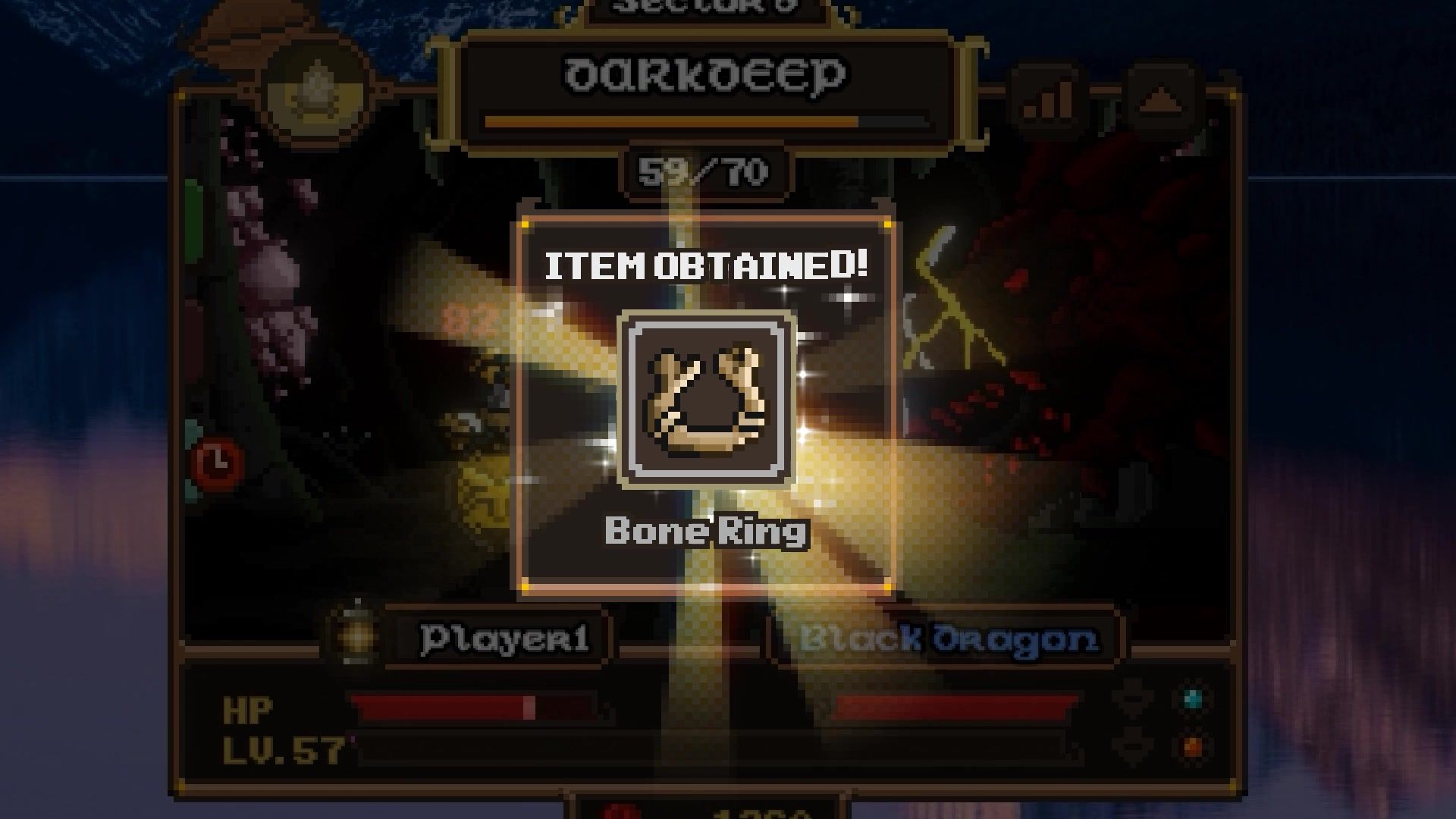
Lootborne Item Rarities: Which Tiers Can You Trade?
Lootborne has six item rarities. Rare, Epic and battle-dropped Legendary items are tradable on the Steam Market; Common, Mythic and Ascended are account-bound.

Lootborne has six item rarities, and the tier an item belongs to decides something more practical than its stats: whether you are allowed to sell it.
The trading rule is the part most players get wrong, because the developer treats a dropped Legendary and a forged Legendary as two different kinds of object.
The six tiers and where they appear
| Tier | How it appears in the game |
|---|---|
| Common | The starting tier. Bound to your account. |
| Rare | The first upgrade tier. An achievement called Blue Blood fires when you equip your first Rare item. |
| Epic | The second upgrade tier. An achievement called Purple Reign fires on your first Epic item. |
| Legendary | Named on the official store page and on the forge panel’s rarity buttons. |
| Mythic | Named in the official trading rules as account-bound. |
| Ascended | Named in the official trading rules as account-bound. |
The developer has never published one complete list of the six names together. This table is assembled from the official store page, the official achievement list and the official forge panel, and the page states that rather than pretending a list exists.
Which tiers can be sold
The official store page sets out the rules in a short section titled “Trade on the Steam Market”. Summarised:
- Tradable: Rare items, Epic items, and Legendary items that dropped in battle.
- Account-bound: Common, Mythic and Ascended items, plus any Legendary item produced by the forge.
- Trading gate: Your account must be level 15 and at least 7 days old.
- Rate limits: Up to 25 items marked sellable per week, with a maximum of 8 per day.
- Timing: The Steam Market opens one week after release.
The developer also explains the intent in one line: the market is meant to be a feature of the game, not a reason to play it. That is why the limits exist.
Dropped versus forged Legendary is the key distinction
This is the rule with the sharpest teeth. Two Legendary belts can look identical in your bag and behave completely differently on the market.
One dropped while you were fighting. It can be sold.
One was produced by feeding duplicates into the forge. It is bound to your account forever.
So the forge is not a neutral upgrade path. It can convert an item you could have sold into an item you can only wear or dismantle. If you are running a build around market income, keep the two piles separate.
Recognising a tier at a glance
The tooltip makes it explicit. An official item tooltip reads Belt • Common, naming the slot first and the rarity second. That single line is enough to know whether an item is potentially valuable.
The inventory also offers an All Rarities filter, which is the fastest way to see everything you own at one tier. If you are preparing for the weekly selling limit, filtering by rarity is quicker than scrolling.
What is not known
Two things are conspicuously undocumented, and both matter if you are planning a market run.
First, no official source publishes the drop rate for each rarity. You will see percentages quoted in forums; none of them come from the developer.
Second, the exact opening date of the Steam Market is described only as “one week after release”, with the release dated 21 September 2026. Treat any precise date you read elsewhere as an estimate until it appears on the store page.
Related reading
- Items and stats for how to judge what a drop actually does.
- Forge and dismantling for the decision that changes tradability.
- Perks and Bloodmarks for where dismantled gear ends up.
Sources and limits
The trading rules, account-bound tiers, level requirement and rate limits come from the official Steam store page, as of 23 September 2026. Rarity names come from the official store page, the official achievement list and the official forge panel. Drop rates and a formal rarity list have not been published by the developer.
Related reading
items
Lootborne Items: How to Read a Stat Block and Pick Gear
Lootborne has 424 items across six rarities and five elements. Learn what each line in a tooltip means and how to compare two items properly.
guide
Lootborne Forge and Dismantling: What to Do With Duplicates
The forge turns spare Lootborne gear into higher rarities, dismantling turns it into Bloodmarks. Here is the four-step rule for deciding between them.